
The centre-left needs a cause
Technocratic government will not be enough to beat the populists

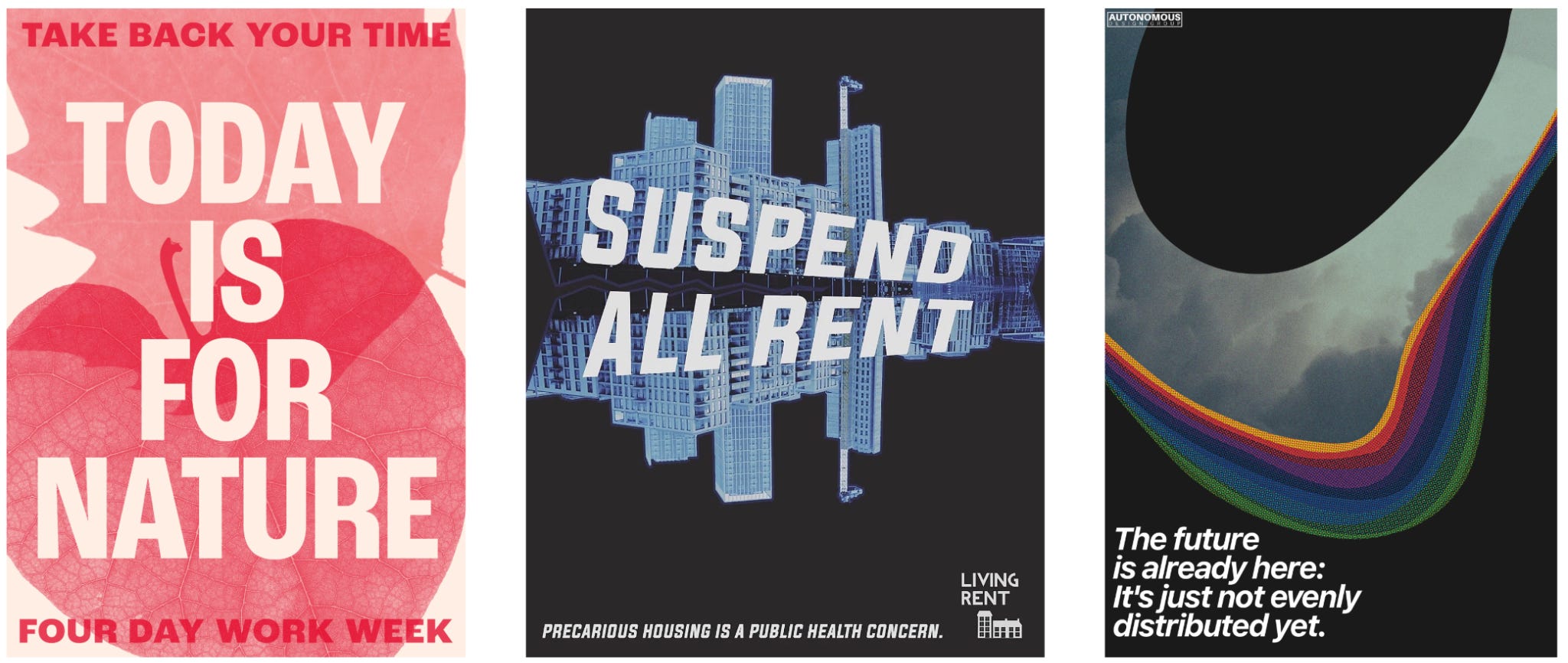
“The Labour Party is a moral crusade, or it is nothing.”
Many will be familiar with the words of Aneurin Bevan, founder of the NHS. They feel both timely and perhaps strangely outdated.
The centre-left needs a galvanising cause if it is to head off the populists. The causes that have energised people in recent years have come under sustained attack, and the danger is that technocratic government - delivery - is seen as a substitute.
One thing is clear, the centre-ground of politics has been hollowed out. While many voters, in fact the majority, hold moderate, balanced, centrist views (for example they want secure borders but believe in the benefits of immigration to the country), the centre has become bland and bloodless – characterised by an impulse to reassure and a fear of doing anything bold. It’s a long way from the goal of a cutting edge ‘radical centre’ that was promised.
What makes a political ‘cause’?
A political cause is something that has an emotional power. It’s a morally-charged purpose that people can immediately connect to - something that spurs people into action.
A cause usually has several ingredients:
A moral claim (fairness, freedom, dignity, security, equality)
A clear injustice or obstacle (an institution, practice, or settlement that needs overturning)
A constituency (the “we”)
A direction of travel (a future people can picture, hope for, and importantly help to build)
A set of enemies who are standing in the way of change
Perhaps most of all, in the attention economy, a cause can cut through the noise, and provide people with a sense of purpose and belonging.
In political terms, a cause provides the glue. It is more than good storytelling and carries more weight than good policies can alone. It gives different groups a shared “north star,” even if they disagree on details. When trade-offs hit, a cause helps you decide what to do, and what not to do. It becomes a filter. In hard times, leaders without a cause look like managers of decline. A cause can sustain patience, and solidarity.
Why progressive causes have been trashed
Powerful causes punctuate history: the abolition of slavery, universal suffrage, workers’ rights, the creation of the NHS and the welfare state, anti-apartheid, ending child poverty.
In recent years, new causes have emerged. For a while they have captured hearts and minds. They have energised civil society, taken hold in political parties and have had their successes.
But each in turn has come under sustained fire, being forced on the back foot by powerful right-wing forces and by mistakes made by their advocates.
It is worth looking at them one by one.
Identity politics
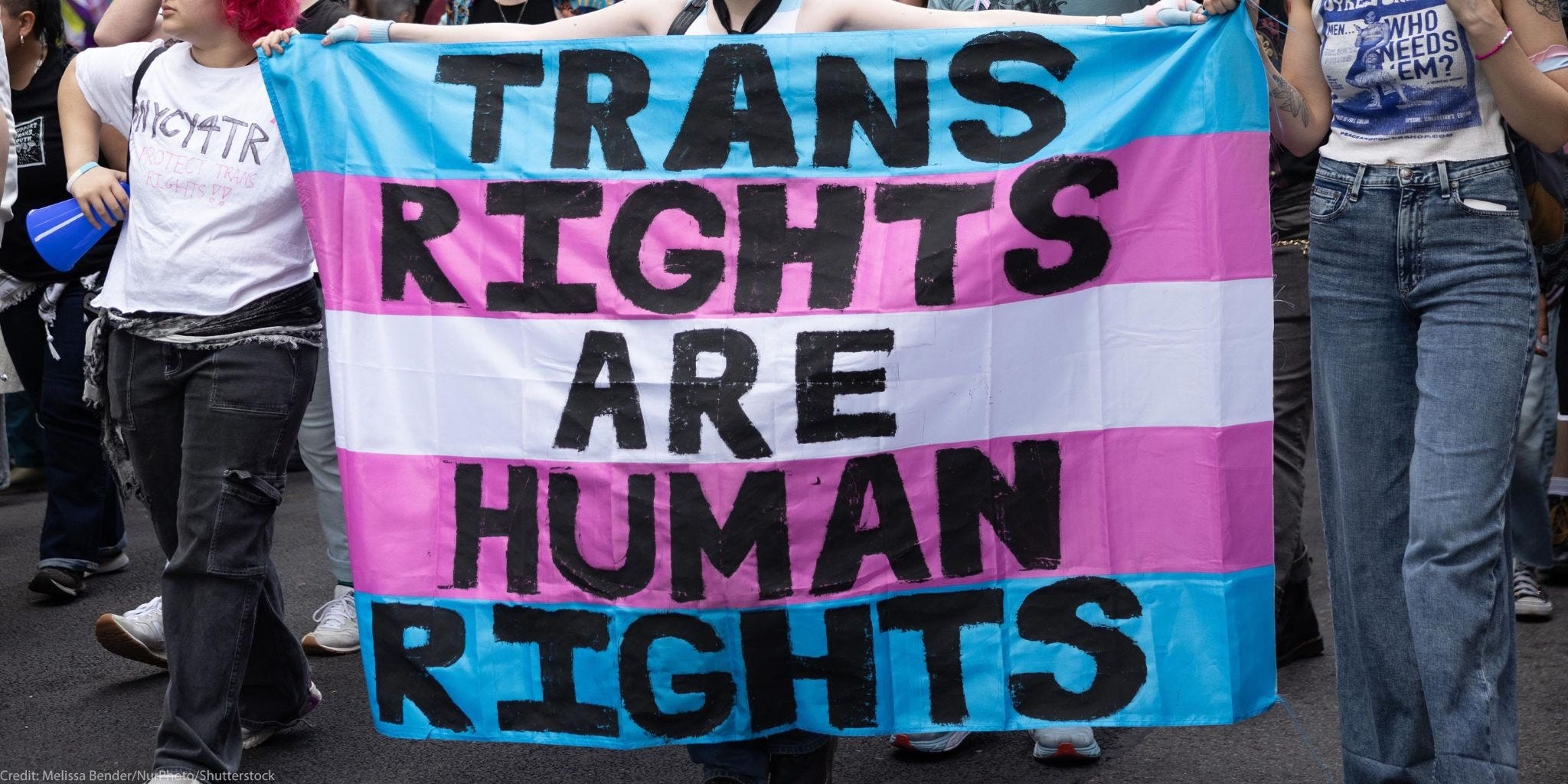
We know there is energy in identity politics. The Black Lives Matter movement accelerated following the brutal murder of George Floyd. Many saw trans rights as the next frontier of the equality battle. Each of the different identity campaigns made headway. At best, they created the space for courageous conversations about discrimination and unconscious bias.
But each provoked the inevitable backlash. And at times they were taken over by more extreme versions of the original campaign: defund the police, cancelling people for saying the wrong thing. Those more extreme voices were often the loudest and were not challenged by the centre -left out of fear. At the same time, the cost-of-living crisis started to dominate people’s lives. In America, the preoccupations with who was woke not who was broke, seemed to indicate a Democrat Party that was out of touch with those living pay cheque to pay cheque. In the end class politics seemed to win over identity politics.
Green
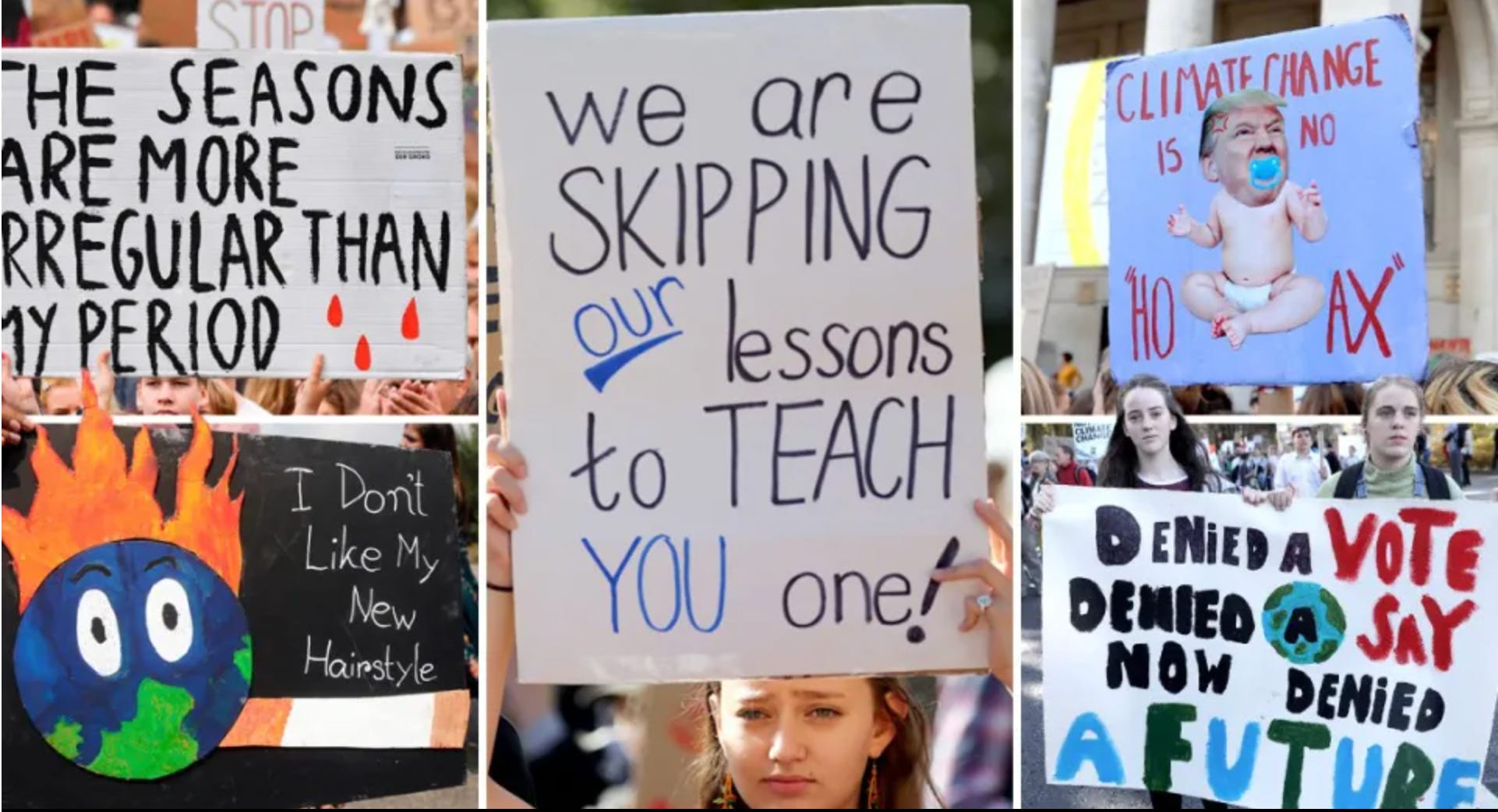
Many believe that climate change is the emergency of our age. This is reflected in much of the polling. People care about it, about nature, wildlife, our natural world. They want action taken. They are happy to play their part, from recycling to paying for plastic bags, to altering the travel they take. But they do not think it fair that during a cost-of-living crisis, extra burdens are loaded on to them. They react, too, against the zealots. They don’t want jobs and livelihoods put at risk by moving too fast. They don’t want to be told their lifestyle is inadequate. The veganisation of British life has limits. A majority would rather miss a target for net zero by a couple of years, if it meant a more orderly transition. So, the green cause is hampered at a time of economic crisis. It is instructive that even the leader of the Green Party has moved to a central message about economic inequality, leaving behind the centrality of the climate emergency.
Anti-capitalism
There remains energy in anti-capitalist protests. A few years ago it was ‘Occupy Wall Street.’ Post the 2008-09 crash there has been growing resentment that the bankers got away with it, and the majority faced austerity and stagnant wages. Many think Brexit was a direct result of this resentment. Corbyn’s high levels of support in the 2017 election was another indicator. The centre and centre-left have not found a way to channel the desire for economic change. Not to overthrow capitalism, but to shape it in a way that produces more winners and more wealth. But they are held back by a caution about the markets, a fear of repeating the Truss debacle and a desire to get business on board. All of this is understandable. But it blunts the cutting edge of change. When there is not even a concerted campaign against “rip-off” Britain, the centre becomes tin-eared to the long-held desire for fairness and the chance to rebalance the economy to those who work hard for too little reward.

Why the centre-left finds it hard to land on a new cause
If being woke, green, or anti-capitalist is verboten, what is left?
What technocratic spreadsheet hell, what desiccated, managerial politics are we consigned to wallow in?
The centre-left isn’t short of issues.
It advocates for better childcare, for tackling violence against women, for banning social media for the under 16s. All have emotional resonance. But none have the reach or unifying power of an overarching cause.
We should acknowledge that it is hard for three reasons:
1.The coalition the centre-left is putting together is hard to accommodate in one cause.
The centre-left is trying to weave together a cause that brings together the following groups:
graduates in big cities,
ethnic minorities,
public-sector professionals,
precarious younger renters,
older working-class voters in smaller towns,
parts of business and the creative sectors.
These groups often agree on values but diverge on priorities (immigration, crime, culture wars, climate costs, tax, housing).
So, it’s easy to see why politicians may feel that the approach that binds them most together is to deliver on a few core services.
2.The centre-left can’t decide if it’s meant to be reliable or disruptive
The single biggest conundrum for the centre-left at present is how, in an age of disruption, it can both be sensible, reliable and mainstream and yet be modernising insurgents, willing to do whatever it takes to transform failing institutions.
Trump and the populists create a trap that too often the centre left walks into. Their assault on the institutions of democracy, forces the left to defend the indefensible.
The Remain campaign in the EU referendum is a perfect example of this. It could never pull off being pro-Europe and pro-reform – and so appeared to be defending an indefensible and out of touch, European bureaucracy.
The centre-left needs to be on the side of working people who are not being served well by the current system. It may not be in the blow it all up camp, but it must become radical reformers.
3.Constraints feel tighter, so ambition feels riskier
Global capital mobility, debt interest costs, fragile public services, and low trust make leaders fear over-promising. But a cause isn’t the same as a shopping list; it can be bold in direction while pragmatic in steps. Mission-government tries to do this. It points to bold long-term changes - some of which have the potential to be a ‘cause’ - with milestones on the way.
Four candidates for today’s progressive cause
These are the constraints. Yet, some are trying to break free from them.
There are currently four different ‘causes’ that are being promoted by politicians. Each is a candidate for the centre-left cause that most effectively fights the populists.
1.Anti-oligarchs
Bernie Sanders and Alexandria Ocasio-Cortez’ ‘Fighting Oligarchy tour’ put a new, more modern take on the anti-big business slant, taking aim at US oligarchs who are now dominating politics.
As Sanders said to Trump:
“We will not allow you to move this country into an oligarchy. We’re not going to allow you and your friend Mr Musk and the other billionaires to wreak havoc on this country.
You know who the biggest criminals are in this country? They are the CEOs of major corporations who are robbing us every single day. They are the fossil fuel industry that has lied to us for years about what they’re doing to the planet. It is the drug companies who charge us the highest prices in the world and people die because they can’t afford those drugs. It’s the insurance companies who deny claim after claim. Those are major criminals.”
Sanders’ favourite statistic to back it up is that the top 3 billionaires - Elon Musk, Jeff Bezos, and Mark Zuckerberg - have more wealth than the bottom 50% of the population combined.
This ‘cause’ has a power, a relevance and a clear enemy. But for many appears too anti-business, and does not lead to a winning programme for government. The question it poses, however, is how we channel some of the anger that the ‘Fighting Oligarchy Tour’ generated, to tackle inequality.
2. Cost of living
Zohran Mamdani is probably the most effective recent proponent of a cost-of-living cause. His campaign for New York Mayor promised that “hard work is repaid with a stable life”. His policies were sharp and clear in addressing the current affordability crisis: “Freeze the rent. Fast, fare-free buses. City-owned grocery stores. No-cost childcare. $30 by ’30.” The challenge to this approach is whether it is too transactional and too short term, and to what extent it needs to be accompanied by a bigger, broader cause that is about empowering people not just easing their immediate pain.
3. Fighting Trump
Perhaps the cause that matters most in this age is in fact the fight against the populists. The argument here is that of all the possible causes, this is the one that carries the most immediacy and urgency. Carney is doing this with huge skill at the moment. He has turned the threat from Trump into a patriotic cause for Canadians and the chance to reset Canada’s place in the world. He has made it an existential purpose which is imbued with a sense of belonging and of course a very real enemy.
This was central to him winning the election against the odds:
“As I have been warning for months, America wants our land, our resources, our water, our country. But these are not idle threats. President Trump is trying to break us so that America can own us. That will never ever happen.”
In Davos he took it to the next level with his compelling speech calling the present crisis a rupture not a transition, challenging the appeasers of Trump and setting out a plan for middle powers to get on the front foot: “There is a strong tendency for countries to go along to get along,” he said. “To accommodate. To avoid trouble. To hope that compliance will buy safety. It won’t. The middle powers must act together because if we’re not at the table, we’re on the menu.”
But, the danger with a cause based on fighting a negative, a single opponent, is that it is reactive. In this case the fight against Trump, needs to become a fight for a different kind of world that lives on beyond Trump.
4. Abundance
Our problems come from scarcity, the fight over limited resources. The answer is abundance. Create more and build more. This is the argument of Ezra Klein and his co-author Derek Thompson in their book Abundance. They argue that progressive goals will fail if we can’t actually build the things those goals require - so the centre-left should shift from managing scarcity to creating plenty.
They show how many well-intentioned rules have created too many points of veto that slow procurement and slow the ability to build things fast. That means housing, clean energy and better infrastructure take far too long to materialise. The centre-left’s cause is to fix the state’s capacity to deliver. To make things happen. To bust through the unnecessary regulations. They believe it will stop the main source of populist popularity, which is the inability of mainstream parties to get things done.
Their agenda is powerful. It needs to happen. There are clear enemies. But it feels a long way from a rallying cry, and one that leaves out human agency and control, laying the impetus for action squarely on elected officials and bureaucrats.
There is a fifth potential cause – Building Human Capacity - controlling our own destiny
There is one other area that in my view is the most fruitful for an emerging centre-left cause: building human capacity in an age of AI.
Human flourishing is at a crossroads. In the coming years there are a set of choices that will make people either stronger or weaker, more in control of their destiny or less, able to navigate complexity or doomed to be on the receiving end of it.
There is already evidence that as machines get more powerful, humans are getting less so – our attention is trapped by the algorithm, our capacities are diminishing. In short, too many people feel it is harder to be the best versions of themselves.
The coming cause is to take back control of our lives. In particular to give the next generation their childhood back and their futures back. To seize back control from the algorithms, to return to connecting to others in the real world. To shape AI to our needs, our ethics, our priorities, not let it be controlled by a few intoxicated tech barons who will always put profits before humanity.
I will write more about this cause in future Substacks, but I am certain that we are reaching peak screen addiction, that we want our communities to be more vibrant, that we crave a sense of possibility and purpose and that we need to feel the wind in our sails again.
The centre-left needs a cause. It needs to find its fire and passion. To create a movement behind change. To draw those flirting with populists and extremists back to a compelling vision of something bigger, bolder and better. That is the task in the coming months and years.
Great article. Could I suggest community / loneliness as a candidate, possibly as part of your last suggestion. Many people feel loneliness very profoundly, and almost everyone feels it to some extent. The enemy is big faceless institutions, companies with no way of contacting them except via a chatbot, government which is all form filling, the enshittification of the internet.
Interesting Peter but we still await a way forward. Not only for the centre left but for all of politics.
You mentioned the "middle ground" is well populated and that I think is the catalyst for a new movement that transforms the way we live together. More in Common is the name of the game.
The principal move has to be away from the process whereby ill-informed people vote against an agenda set by power-hungry oligarchs as a means of "advancing" society.
I sense you are uncomfortable with changing the political system. A stretch too far for someone so deeply embedded in today's politics?
I was hoping that well-connected thinkers like yourself can see the next level and start to reimagine politics for our technological age - to bring about real change to the way society needs to operate to proportionally serve all the people.
Can I suggest the political cause you call for is to bring the people into our democracy. Rather than being sidelined as is the case now, they get informed and yes, deliberate on such issues that you raise in this post. They will tell you what's critical and define the policy-space that government can act within.
Indeed such a cause has real emotional power - no less than a morally-charged purpose that people can immediately connect to. The professionals can then serve the people rather than themselves.